Giannis Antetokounmpo and Kalshi: what the NBA star’s stake is, and what he can’t trade
In February 2026 Giannis Antetokounmpo became the first NBA player to own part of Kalshi. How big the stake is, the trading restrictions that come with it, why Adam Silver called it “minuscule”, and the integrity questions it raised.
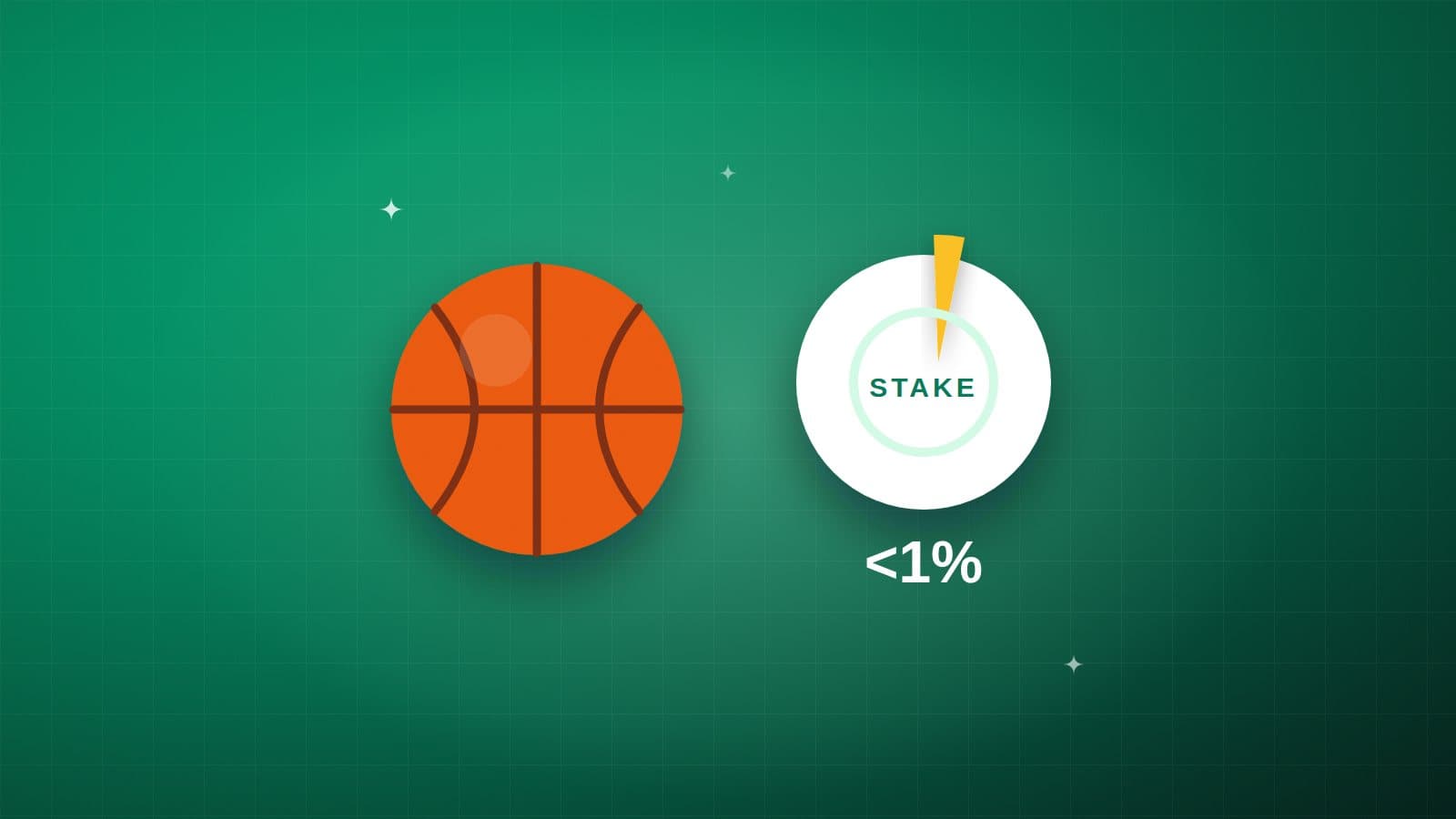
Giannis Antetokounmpo owns a small stake in Kalshi. The two-time NBA MVP announced in February 2026 that he had become a Kalshi shareholder, the first NBA player to take an ownership interest in a prediction market. Kalshi says the stake is below 1%, and under its rules he cannot trade any NBA market or any market about himself.
The deal at a glance
| Announced | 6 February 2026, on X |
| Investor | Antetokounmpo, through his family company Ante, Inc. |
| Stake | Below 1% (Kalshi) |
| Trading restrictions | No NBA markets; no markets that reference him |
| Other terms | Collaboration on marketing, live events and promotions |
Kalshi has not disclosed the price. Headlines estimating the stake at about $110 million simply took 1% of an earlier valuation; the real figure is below whatever 1% is worth. At the $22 billion valuation from Kalshi's spring 2026 round, 1% would be $220 million (who owns Kalshi).
What he can't trade
Kalshi's rules bar people who can influence or have inside knowledge of an outcome from trading it. For an active player, that means the whole NBA category, not just his own team's games, plus any market that names him. The rule is there for the obvious reason: a player who could move a market with his own performance or decisions should not be able to profit from it.
What the NBA said
The league's reaction was muted. About two weeks after the announcement, Commissioner Adam Silver called the investment "minuscule". He said the collective bargaining agreement already lets players make small, de minimis investments in sports betting companies, capped at 1%, and that the league was applying the same rule to prediction markets. He added that the long-term future of prediction markets would be decided by the courts and Congress.
Not everyone was comfortable. Critics noted that the NBA had earlier warned regulators about integrity risks from sports prediction markets, and that the collective bargaining agreement does not mention prediction markets at all, which leaves a legal grey area.
Why it was controversial for Kalshi
The timing was awkward. The deal was announced the same day a Massachusetts judge refused to pause an injunction barring Kalshi's sports contracts in the state, part of the long fight over whether sports event contracts are gambling (is Kalshi gambling?). For critics, an NBA star promoting a platform that many states consider an unlicensed sportsbook was the point; for Kalshi, a recognisable athlete was a marketing coup at a time when sports were the bulk of its volume.
Since then the pressure has grown, not eased: the NFL has asked the Supreme Court to take up a case over sports contracts (NFL brief), and states including Utah have sued (Utah lawsuit).
Can you trade on Giannis?
Yes, on markets that include him: Kalshi and Polymarket list NBA championship, MVP and award markets, where he can appear as one outcome among many (NBA championship odds). The restriction applies to him, not to you. As always with player markets, check whether a price is backed by real volume before reading much into it.
Giannis and Kalshi: frequently asked questions
Does Giannis own part of Kalshi?
Yes. He became a shareholder in February 2026, through his company Ante, Inc.
How big is Giannis's Kalshi stake?
Kalshi says below 1%. The exact figure has not been disclosed.
Can Giannis bet on NBA games on Kalshi?
No. He is barred from all NBA markets and from any market that references him.
Does the NBA allow it?
Yes. Adam Silver said the league applies its existing rule for small investments in betting companies, capped at 1%.
Is Giannis the only athlete invested in Kalshi?
He was the first NBA player to take an ownership interest; check Kalshi's announcements for others.