CFTC proposes treating sports and election contracts as swaps, and carves out casino gambling
On 9 October 2026 the CFTC proposed adding event contracts on sports, politics, culture and weather to the definition of a swap, which would put them under its exclusive jurisdiction, while declaring sportsbooks and casino games outside it.
The Commodity Futures Trading Commission moved on 9 October 2026 to settle the question at the heart of every state lawsuit against prediction markets. It published two measures:
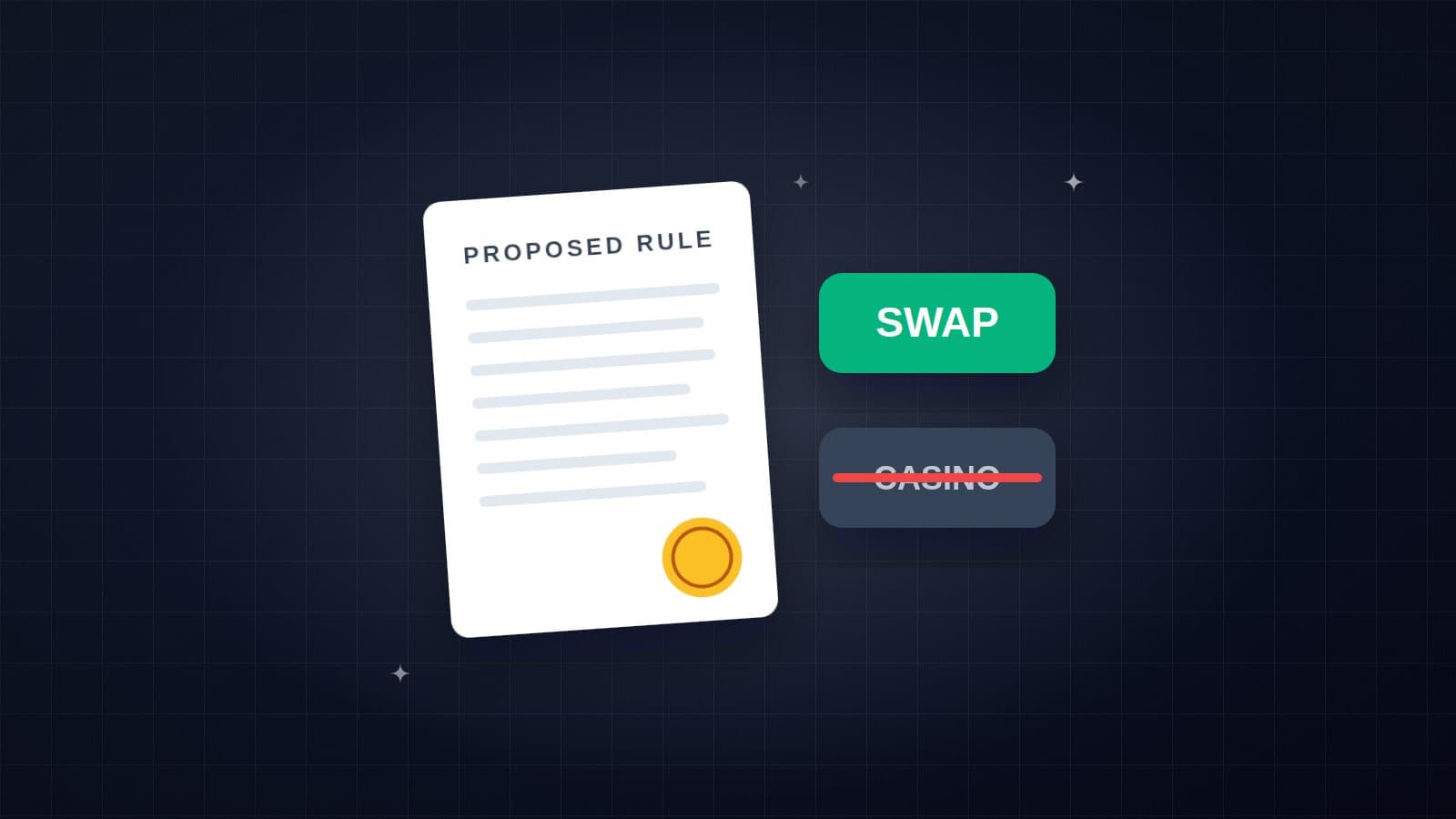
- A proposed rule adding event contracts on sports, politics, culture and weather to the regulatory definition of a "swap". Swaps fall under the CFTC's exclusive federal jurisdiction, which is exactly what Kalshi and other platforms argue in court.
- An interim final rule stating that sportsbook wagers and casino games are not swaps, so they stay with the states. "Casino-style gambling products are not derivatives," said Chairman Michael Selig.
The proposal has a 30-day comment period after publication in the Federal Register and could change before it is final. The interim rule takes effect on publication.
Why it matters
Courts are split on whether sports event contracts are swaps. The Third Circuit said yes; the Ninth and Sixth Circuits said no (is Kalshi legal?). A final CFTC rule saying they are swaps would give platforms a strong new argument against state enforcement, from Ohio to Utah (Ohio; Utah).
It would not end the fight on its own: states and their allies argue that the CFTC cannot turn gambling into derivatives by definition, and the Supreme Court is being asked to decide the underlying question (the NFL's brief).
Reactions
- Supporters say it confirms what the platforms have claimed all along: one federal regulator, one national market.
- Critics such as the advocacy group Better Markets called the agency a "cheerleader" for prediction markets and argue the CFTC lacks the staff and budget to police gambling in 50 states.
Context
Selig is serving as the sole commissioner on the normally five-member commission. Both measures were sent to the White House's regulatory office on 28 September before being released. Earlier in 2026, the CFTC proposed changes to how it reviews new event contracts, and it has sued New York and several other states over their actions against prediction markets (Kalshi in New York).