Kalshi and Polymarket have given at least $5 million to political groups this cycle, Reuters finds
Kalshi, Polymarket and their founders have given at least $5 million to Republican and Democratic groups this election cycle, Reuters reported on 22 October, including a previously unreported $1 million from Polymarket to a Democratic nonprofit. Who got what, what the companies say and why it matters as states and Congress close in.
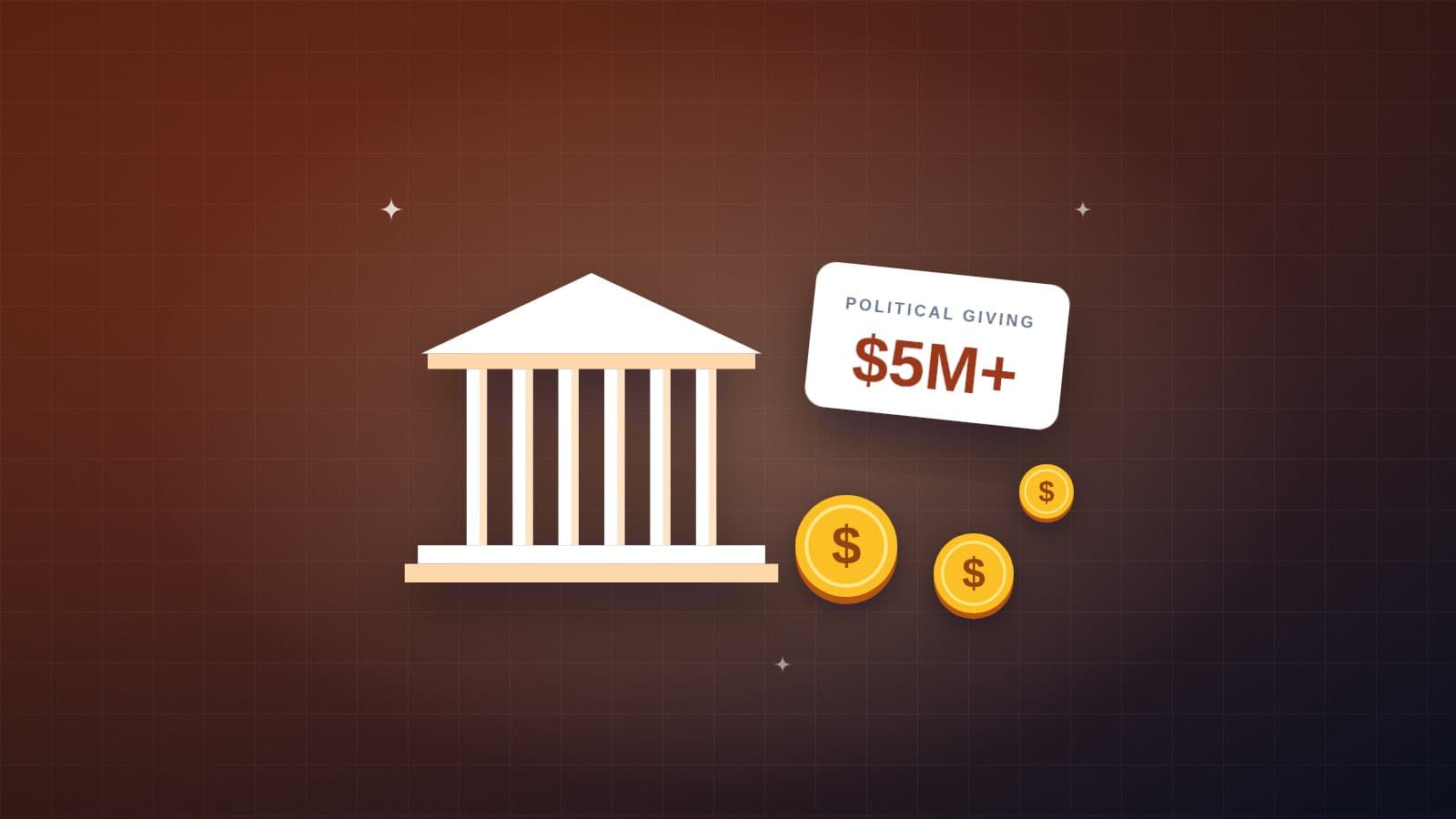
The two biggest US prediction markets are now big political donors. Kalshi, Polymarket and their founders have given at least $5 million to Republican and Democratic political groups this election cycle, Reuters reported on 22 October 2026, citing campaign-finance records and an analysis by the Center for Political Accountability. About $2.7 million went to Republicans and the rest to Democrats; just over a third went to state-level groups.
Who gave what
| Donor | Where the money went | Amount |
|---|---|---|
| Polymarket (Blockratize Inc.) | House Majority Forward, a Democratic nonprofit that does not disclose its donors | $1 million, this summer |
| Polymarket and CEO Shayne Coplan | Republicans, including the RNC, a super PAC backing House Republicans and V-PAC, which backs Vivek Ramaswamy | About $1.3 million |
| Kalshi co-founders Tarek Mansour and Luana Lopes Lara | Federal campaigns and committees, about 72% to Republicans | At least $1 million, as of early October |
| Kalshi | State-level groups, split roughly evenly between the parties | Nearly $1.5 million |
| Polymarket | Two Democratic groups and one Republican group | Nearly $250,000 |
The $1 million to House Majority Forward had not been reported before. Ramaswamy, the beneficiary of V-PAC, is the Republican nominee for Ohio governor, a race both platforms list (Ohio governor odds).
What the companies say
- Kalshi: "Regulation that keeps prediction markets safe for consumers and allows them to grow in America isn't a partisan issue," said spokesman John Bivona.
- Polymarket did not address the donations directly: "We engage with all sides of the debate and welcome conversations with anyone who wants to learn more about our platform."
Jeanne Hanna of the Center for Political Accountability told Reuters that party committees work on a membership model in which "larger contributions get you greater access."
Why it matters
The giving comes as the industry fights on several fronts at once:
- States are suing to stop sports contracts, and Polymarket has sued Ohio to keep offering them (Polymarket sues Ohio).
- The Supreme Court may take up whether states can regulate the contracts at all (Kalshi and the Supreme Court).
- Congress is worried about insider trading, and the CFTC says it is investigating suspicious trades (CFTC probe into Iran oil and election trades).
It also raises an awkward question for traders: the companies running markets on the 2026 midterms are paying into the campaigns those markets price. Earlier this year, CalMatters reported that Kalshi gave $39,200 to Xavier Becerra, the favourite in California's governor's race, while its customers traded on the outcome (California governor odds). In Texas, federal filings show Kalshi-linked donations to Ken Paxton, who is running for the Senate (Kalshi in Texas). Neither company sets the prices on its markets, which come from traders, but the optics have drawn criticism from both parties.